By Shalisha Bynoe
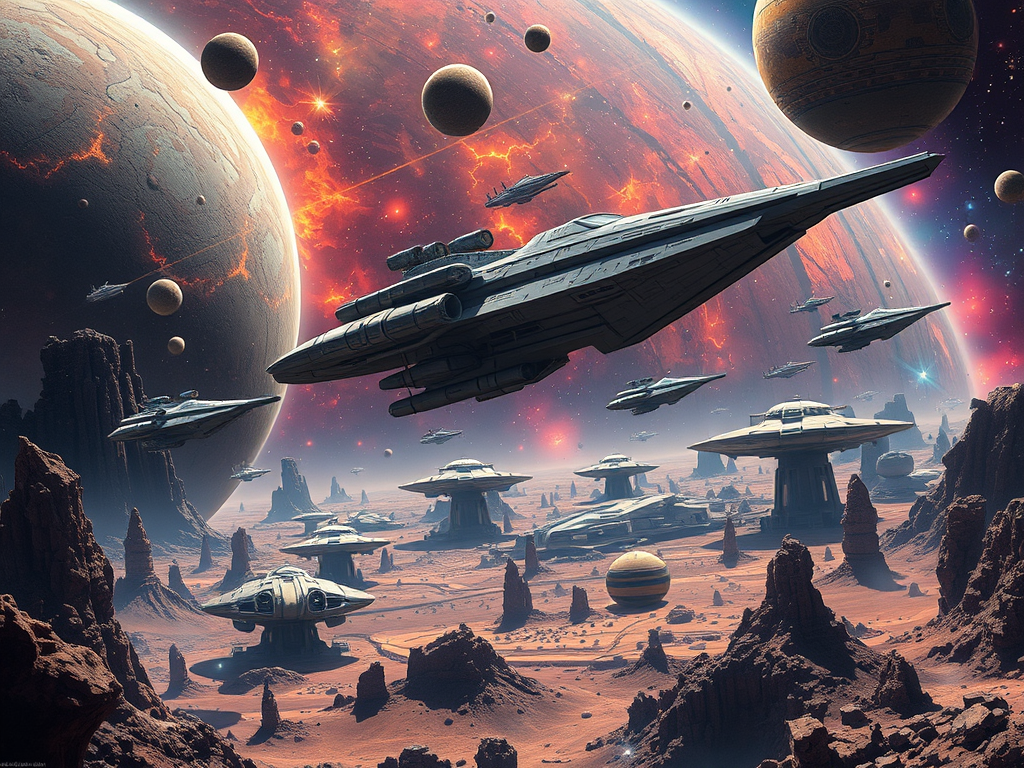
Think of genres as the constellations of the literary universe, except instead of being balls of flaming gas light-years away, they’re made of tropes, subgenres, and reader expectations. Still hot, though. Very spicy.
Each genre has its own unique stars (tropes), planets (subgenres), and gravitational pull (reader expectations). Some even have black holes where plot holes live, quietly devouring unsuspecting stories. Understanding this cosmic map is important, whether you’re a seasoned explorer or someone who still can’t figure out where the cupholders are on your story shuttle.
Genre is not just a sticker you slap on your book like “Contains Nuts.” It’s more like a user manual for your story, helping to guide the reader’s experience. Readers pick genres like they pick their favorite snacks; they know what they’re craving. Some want romance with heart swoons, some want horror with heart attacks, and some want fantasy with heart… dragons.
Choosing a genre helps your story land in the right hands, rather than drifting through space like literary space debris. Every genre also comes with a toolkit, plot structures, tropes, and character types that help you deliver a story that feels familiar yet fresh, like a pineapple pizza that somehow works.
And when it comes to marketing, genre plays an important role. A horror novel with a cute dog on the cover will not hit the audience you’re aiming for. Unless the dog is possessed.
We’ll strap you into a comfy captain’s chair and zoom through major genres and their subgenres. We’ll explore how to choose the right genre for your story, how to understand reader expectations, and how to boldly go where no genre-bending writer has gone before without getting lost.
So buckle up, buttercup. It’s time to explore the ever-expanding universe of literary genres.
Imagine walking into a movie theater expecting a rom-com, popcorn in hand, ready for kisses and quirky misunderstandings, only to find yourself in a slasher flick where the only romance is between the villain and his chainsaw.
Unpleasant. Traumatizing. Refund-worthy. This is why genres matter: they form an unspoken pact between creators and audiences. Readers want to know what kind of emotional experience they’re signing up for. A romance should not suddenly feature alien parasites, unless you’re writing paranormal romance, or it’s a particularly weird Wednesday.
Genres guide writers and readers alike like a GPS that doesn’t judge you for missing a turn for the fifth time. Romance as a genre brings swoons, longing gazes, emotional turbulence, and resolutions that warm the soul like hot cocoa.
Mysteries deliver puzzling crimes, suspicious characters, scattered clues, and detectives who somehow never eat or sleep yet solve everything. Science fiction offers futuristic worlds, fancy tech, space travel, and social commentary hiding behind laser beams.
Each genre has signature elements that make it unmistakable. A Western must include dusty saloons and high-noon showdowns, while a fantasy isn’t complete without magic, quests, and at least one snarky elf.
Understanding genre conventions helps writers meet reader expectations because when a reader picks up a book in a specific genre, they want the experience they signed up for. It also helps with marketing and discoverability; mislabel your book, and it might end up awkwardly nestled between cookbooks and memoirs.
Genre structures create a cohesive story by providing a framework, like a literary skeleton, but far less creepy. And though breaking the rules can be delightful, it works best when you understand those rules first.
Otherwise, you risk summoning a furious mob wielding pitchforks and Goodreads accounts. Mastering genre conventions starts with reading widely. Devour books in your chosen genre like an all-you-can-eat buffet, noticing patterns, common tropes, and what makes the stories tick.
Studying craft books can also sharpen your understanding. Titles like “Save the Cat!” or “Write a Novel” by Jessica Brody offer valuable insights and useful storytelling cheat codes.
Analyzing successful stories helps too; take apart your favorite books like a curious raccoon rummaging through a trash can, noting what works and how you can apply similar strategies in your own writing.
 Palatka Film & Theatre Society Inc.
Leave a comment